Colfax’s historic commercial core, highway-serving businesses, and municipal or institutional properties can present mechanical conditions that do not fit an ordinary replacement. Peak Mechanical Construction develops custom scopes where limited space, mixed uses, existing-system interfaces, unusual loads, or phased operation require coordinated HVAC, plumbing, controls, refrigeration, ventilation, or utility piping.
Historic-building constraints
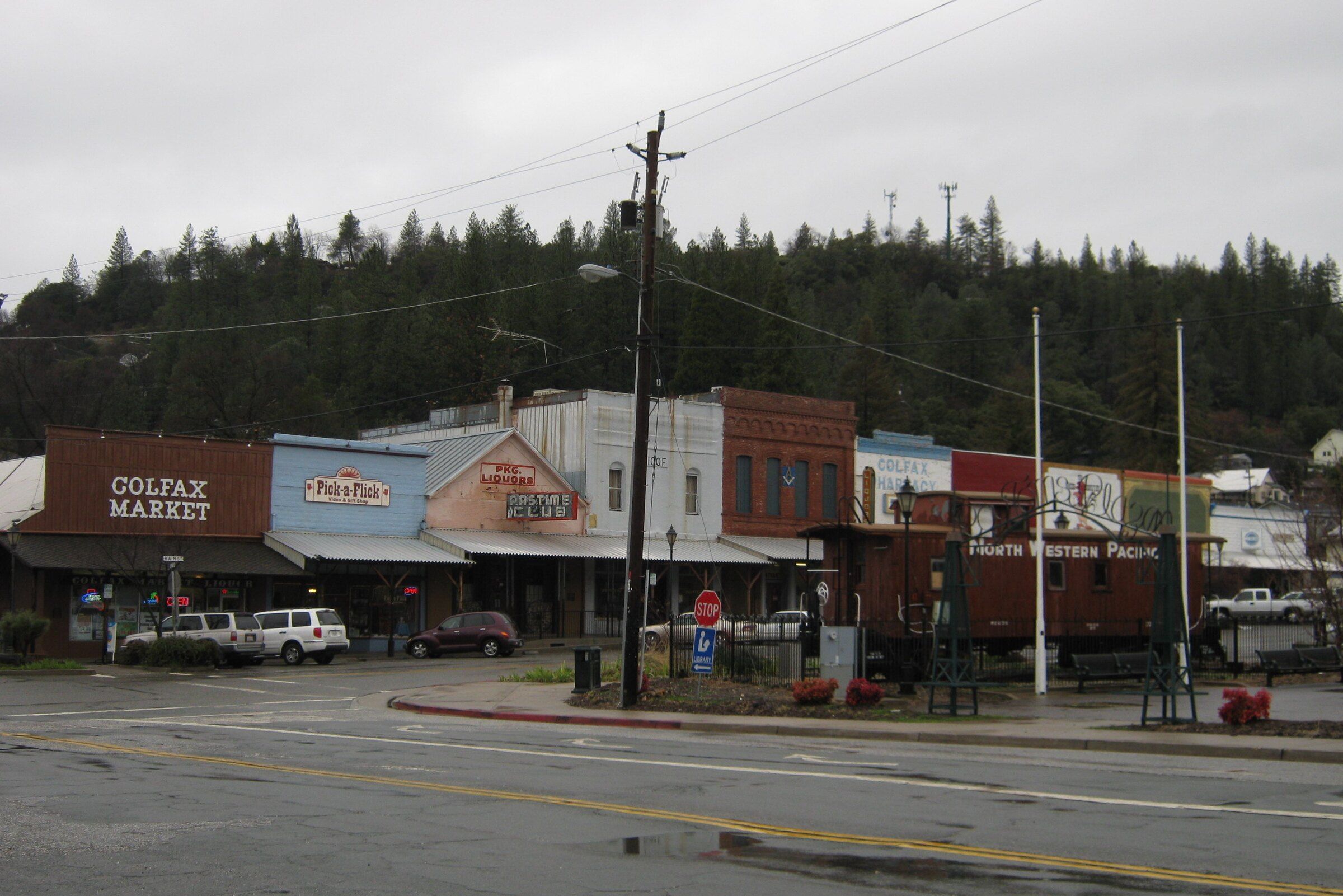
The restored Southern Pacific depot anchors historic downtown near Main and Grass Valley streets. Other established buildings in the area may have tight ceilings, older penetrations, visible exterior conditions, finished public rooms, or incomplete system records. PMC documents accessible structure, equipment, routes, utilities, removal paths, service clearance, and systems that must remain before options are developed.
A custom retrofit may combine selective reuse, rerouting, new equipment, controls, or phased cutovers. Concealed conditions are not assumed. Where additional opening, engineering, or investigation is needed, that dependency becomes part of the plan.
Highway and rail-adjacent facilities
Colfax developed around the railroad and I-80, which remain its main regional links. Visitor-serving, service-commercial, or rail-adjacent properties can combine offices, public areas, shops, storage, and equipment spaces. The mechanical design must respond to documented use, schedules, loads, ventilation needs, utilities, and access—not merely the property’s corridor location.
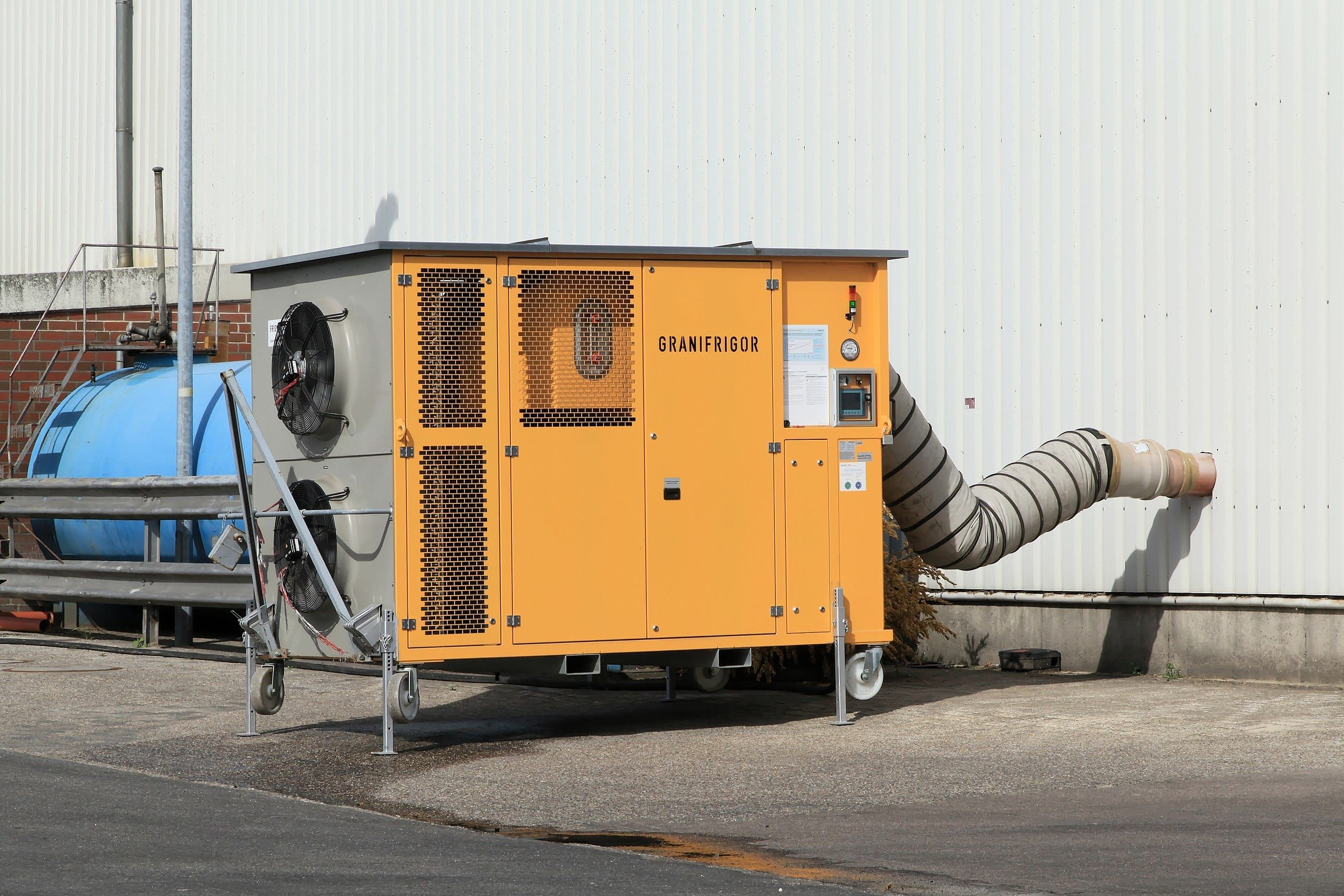
PMC coordinates connection points, supports, electrical interfaces, drains, sensors, alarms, control sequences, and vendor responsibilities. Delivery, lifting, staging, and shutdown windows are considered while equipment arrangements can still change.
Hybrid systems and controls
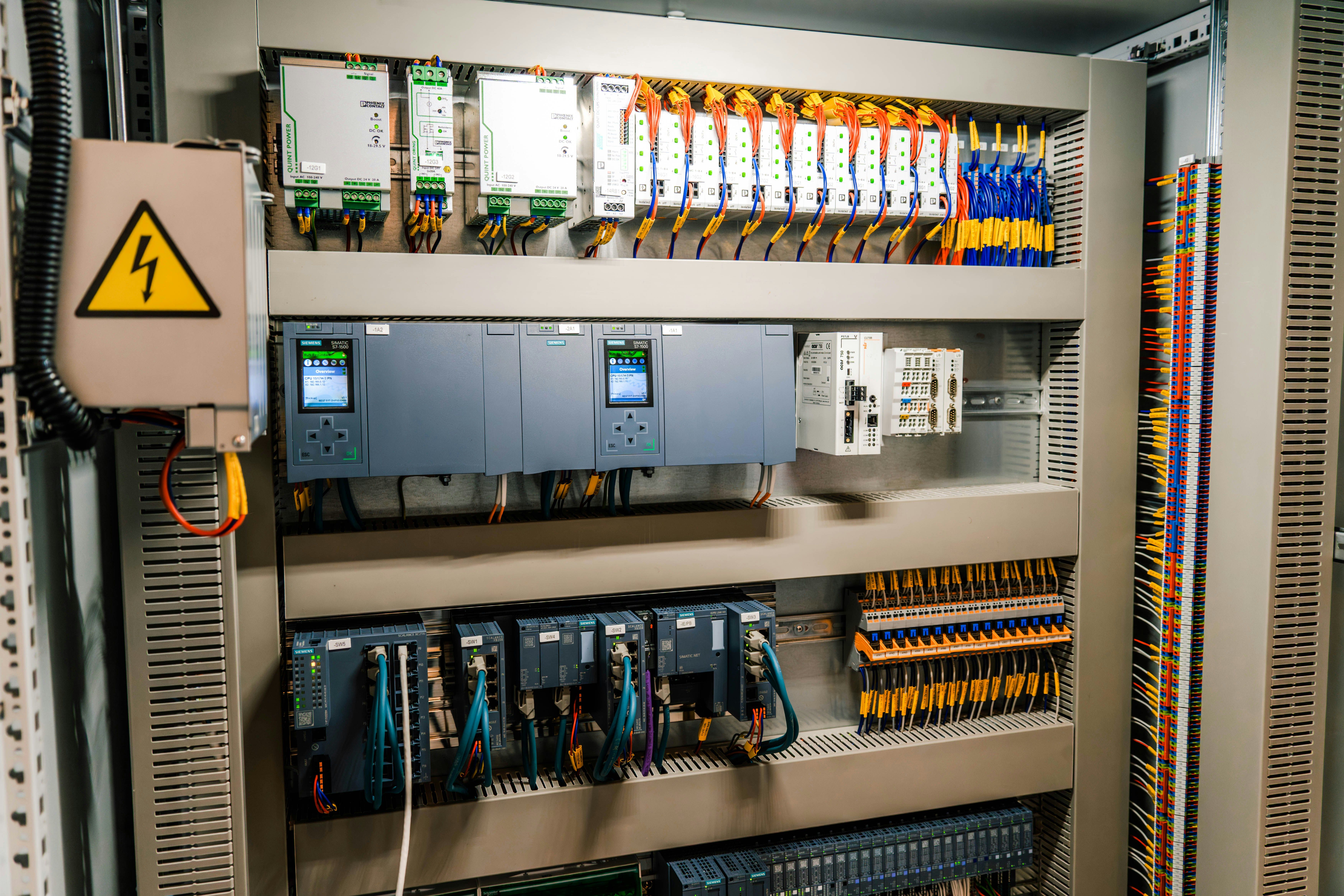
Custom work often crosses mechanical disciplines. A temperature-controlled space may depend on room HVAC, refrigeration, drainage, electrical power, alarms, and an automation interface. Each boundary is assigned to a party and reflected in startup planning.
Existing controls platforms are reviewed for protocols, proprietary access, available points, and third-party support. The approved sequence may include sensors, enables, safeties, setpoints, and alarms. Functional checks verify the contracted system against that sequence and route issues to the responsible component or vendor.
Maintainability and phased installation
Filters, coils, valves, pumps, panels, sensors, and drains need usable access after the full project is built. PMC reviews maintenance clearance along with route congestion and construction sequence. For occupied facilities, temporary conditions and cutover criteria identify what remains available during each phase.
Comparing custom options
More than one approach may satisfy the stated performance goal. PMC can help compare equipment location, routing, outage length, controls complexity, structural or electrical dependencies, service access, and field sequence. Assumptions are stated so the owner and design team can see why an option appears feasible and what information could change that conclusion.
An approach with lower initial equipment cost can create more extensive building work, while a compact or highly integrated option can add proprietary service requirements. These tradeoffs are discussed without promising a result that has not been designed or tested. Once a direction is approved, procurement and vendor data are checked against the coordinated arrangement.
Verification and turnover
Custom systems need a defined way to confirm their operation. Equipment startup, controls checkout, specified testing, vendor participation, and observed performance responsibilities are assigned before the final phase. Turnover documents the installed arrangement, key equipment information, approved sequence, and known operating limitations for future service.
City review and project definition
Colfax reviews mechanical, plumbing, energy, electrical, accessibility, and related compliance for construction and remodeling. A custom system still needs approved documents, permits, inspections, and assigned design responsibilities. A useful request includes the address, building and equipment use, performance goal, drawings, schedule restrictions, and reason standard options are inadequate. PMC can then support assessment, alternatives, budgeting, constructability, construction, and turnover.