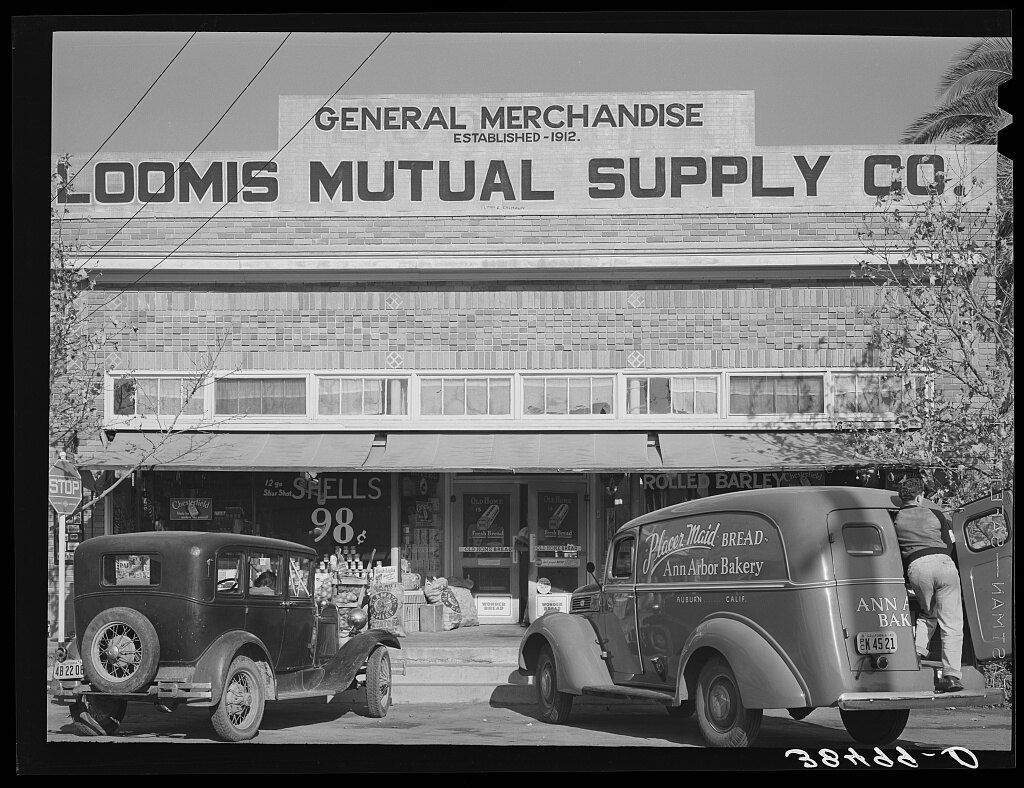
Historic Loomis Mutual Supply Company storefront in Loomis, California

Building Automation & Controls in Loomis, CA

Controls for Taylor Road storefronts, institutions, and agricultural or service facilities in Loomis are organized around actual zones, hours, and operator access.

Loomis service overview

Building Automation & Controls planned around Loomis facilities

  • Taylor Road and Downtown Loomis shops, restaurants, offices, and service businesses
  • Interstate 80 and Horseshoe Bar Road commercial properties
  • Small institutional, education, agricultural, and community facilities
Loomis service guide

Building Automation & Controls in Loomis, CA

Loomis controls work begins with the property’s occupied hours and the people responsible for operating it. A Taylor Road storefront may need a compact weekday schedule, while a multi-room institution or agricultural facility can require separate zones, equipment interlocks, and after-hours access. Peak Mechanical Construction plans controls work around those real conditions, connecting specified sensors, controllers, schedules, alarms, and operator functions to the mechanical systems they are meant to manage.

Controls for Downtown Loomis businesses

Taylor Road and the Downtown Business Corridor contain shops, restaurants, offices, and service businesses, often in established commercial spaces. A controls retrofit in these properties may need to work with older equipment, limited wiring routes, several tenant zones, or a mix of components installed at different times. PMC first documents the accessible system: equipment served, thermostats and sensors, control panels, communication wiring, sequences, and any front-end platform that must remain.

That investigation helps define whether a targeted scheduling change, sensor replacement, equipment interface, or broader controls upgrade is appropriate. It also exposes dependencies such as proprietary access, unsupported hardware, network requirements, or third-party programming. PMC records those limitations before implementation instead of assuming that every existing component can be integrated.

Scheduling varied facility uses

Loomis includes smaller institutional, education, agricultural, and community facilities where room use can change throughout the day or week. Controls can support separate schedules and setpoints for offices, meeting areas, workspaces, storage, or equipment zones when the HVAC design allows it. Available features may include alarms, trend data, equipment status, and operator graphics developed around the approved points list and sequence.

PMC coordinates field devices, control panels, equipment connections, programming, and startup responsibilities within the project scope. Functional testing should confirm that commanded operation matches the approved sequence and that facility staff receive a practical explanation of the available interface. Controls do not correct an undersized or failing mechanical system by themselves, so observed equipment issues are separated from programming questions during evaluation.

Controls in tenant improvements and expansions

The Town’s General Plan addresses land use, circulation, public services, economic development, and conservation, while commercial submittal requirements cover items such as occupancy changes, site plans, and special inspections. A Loomis tenant improvement can affect partitions, occupancy, ventilation, and zoning, which in turn can change the controls points and sequence needed for the finished space.

PMC coordinates controls scope with HVAC equipment, electrical work, the approved mechanical design, and other building systems. Before construction, the team identifies who provides sensors, actuators, gateways, wiring, programming, network access, testing, and final documentation. This prevents gaps between equipment vendors and trades.

For a phased project, the controls plan also needs to explain how existing equipment will operate while new panels or devices are installed. Temporary sequences, point transitions, alarm routing, and final cutover should be agreed upon before an occupied zone depends on the new system. Operator training and accurate point documentation then give the Loomis facility team a usable handoff instead of an unexplained interface.

For an initial controls discussion, a Loomis facility representative can share the address, equipment list, current control platform if known, operating schedule, recurring comfort or alarm issues, and the changes users need. PMC can then determine whether the next step is field investigation, sequence review, a focused repair, or a planned automation upgrade.

Client verticals

Building Automation & Controls for Loomis Facilities
Downtown Commerce

Taylor Road and Downtown Loomis storefronts need mechanical retrofits coordinated with established finishes, tight equipment routes, customer hours, and neighboring tenants.

Open Loomis industry brief
I-80 Commercial & Hospitality

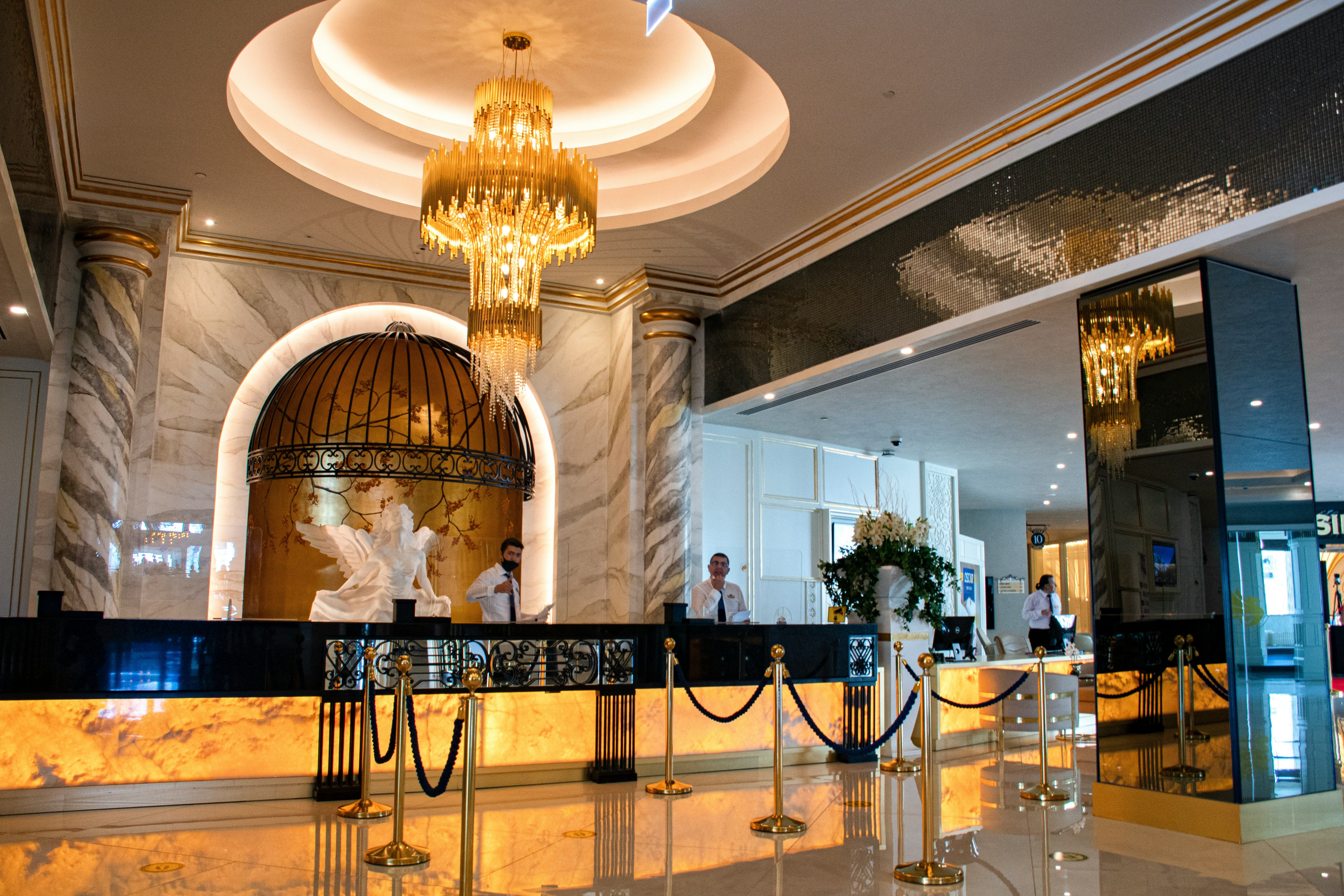
Near the Horseshoe Bar Road/I-80 interchange, lodging, dining, retail, and office properties need site-specific mechanical plans for vehicle access and tenant schedules.

Open Loomis industry brief


Education & Community

Loomis classrooms, meeting rooms, kitchens, offices, and assembly spaces need phased mechanical work that respects separate instructional and public-use schedules.

Open Loomis industry brief

Agricultural & Shop Facilities

Loomis agricultural, service, and equipment facilities need room-specific ventilation, utilities, and controls based on operating equipment, occupancy, and mixed office-shop zones.

Open Loomis industry brief

Hover or focus to preview. Select a facility type to open its full Loomis industry brief.

More PMC Services in Loomis

PMC Building Automation & Controls Locations

Loomis is highlighted below. Choose any city for local building automation & controls information.

PMC Service Area We Service These Cities
Approx. drive time from Auburn

Swipe the route map sideways to follow each corridor

PMC Building Automation & Controls service locations including Loomis A map of PMC service locations along major Northern California freeways and highways. City marker colors represent approximate travel times from Auburn, with extended service reaching Truckee, Chico, Lodi, and South Lake Tahoe. SIERRA NEVADA SACRAMENTO VALLEY Sacramento River Lake Tahoe Chico: 105–120 min via CA-65 / CA-70 / CA-99 north Chico Oroville: 80–95 min via CA-65 / CA-70 north Oroville Marysville: 50–65 min via CA-65 / CA-70 north Marysville Yuba City: 50–65 min via CA-65 / CA-99 north Yuba City Woodland: 55–70 min via I-5 / CA-113 Woodland Lincoln: 25–35 min via CA-193 / CA-65 Lincoln Nevada City: 35–45 min via CA-49 north Nevada City Grass Valley: 30–40 min via CA-49 north Grass Valley Truckee: 75–95 min via I-80 / Donner Pass Truckee Colfax: 20–25 min via I-80 east Colfax Auburn: Auburn home base via PMC home base P PMC • AUBURN Loomis: 15–20 min via I-80 west Loomis Rocklin: 20–30 min via I-80 west Rocklin Roseville: 25–35 min via I-80 west Roseville Citrus Heights: 35–45 min via I-80 west Citrus Heights Sacramento: 40–55 min via I-80 west Sacramento West Sacramento: 45–60 min via I-80 west West Sacramento Davis: 55–70 min via I-80 west Davis Rancho Cordova: 45–60 min via I-80 / US-50 Rancho Cordova Granite Bay: 25–35 min via Auburn–Folsom Road Granite Bay Folsom: 35–45 min via Auburn–Folsom Road Folsom El Dorado Hills: 40–50 min via Auburn–Folsom Road / US-50 El Dorado Hills Cameron Park: 50–60 min via US-50 east Cameron Park Placerville: 45–60 min via CA-49 south Placerville Elk Grove: 60–75 min via I-80 / CA-99 south Elk Grove South Lake Tahoe: 120–150 min via CA-49 / US-50 — weather dependent. Contact PMC to confirm scheduling. South Lake Tahoe Lodi: 70–90 min via I-80 / CA-99 south. Lodi
City details Loomis, CA 15–20 min I-80 west
Nearby
15–35 min
Regional
30–65 min
Extended
55–95 min
Scheduled
90+ min