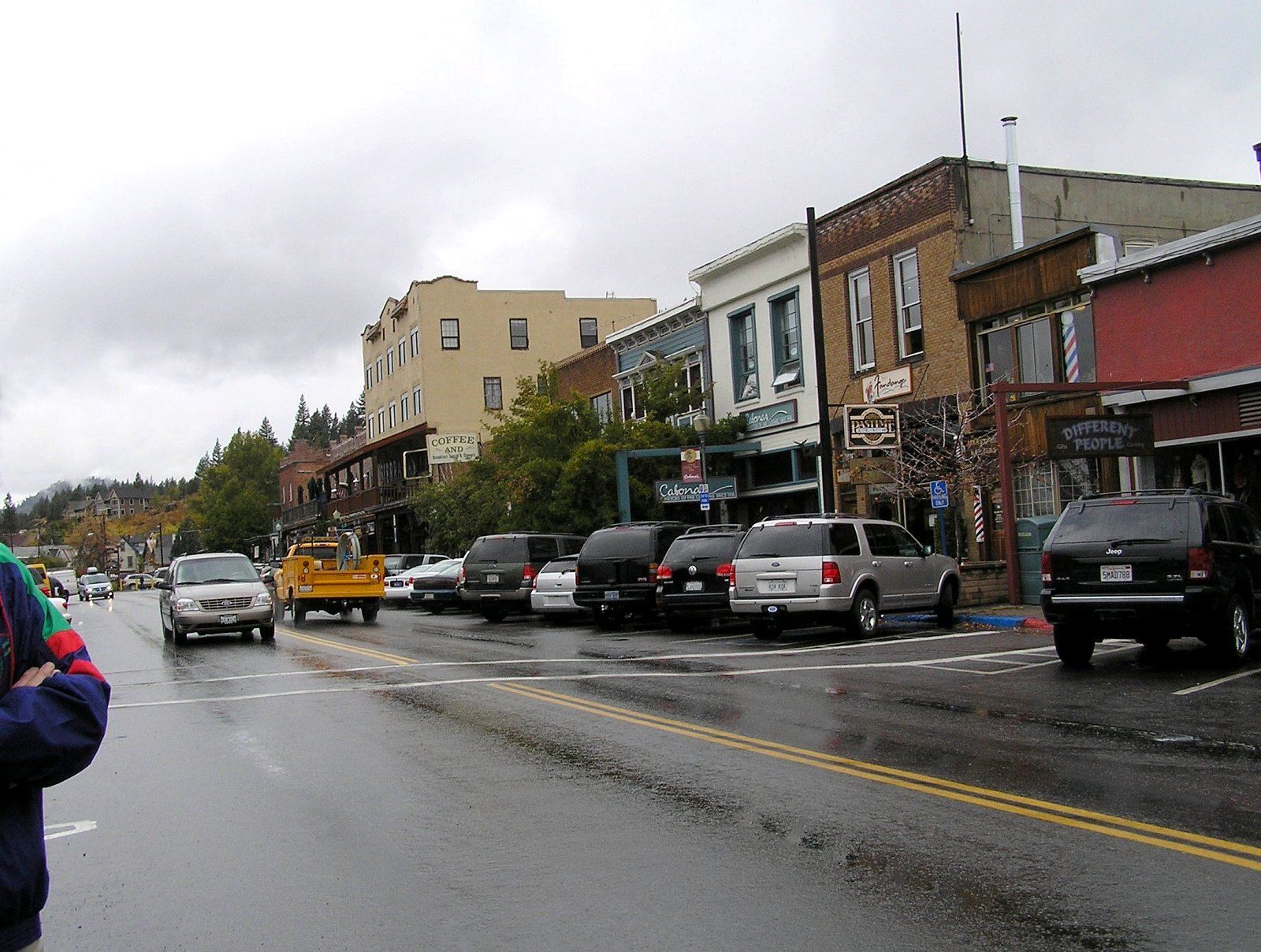
Historic downtown Truckee, California

Commercial Mechanical Contractor in Truckee, CA

From historic Downtown and the Gateway corridor to Truckee's service-commercial and industrial properties, PMC plans mechanical work around mountain access and operating schedules.

Truckee Commercial Mechanical Work

Built Around Truckee Facilities

Mountain hospitality, restaurant, retail, and recreation-support properties

Downtown, Railyard, Gateway, and Donner Pass Road commercial buildings

Industrial, service-commercial, institutional, and airport-area facilities

Truckee field guide

Commercial Mechanical Planning in Truckee, CA

Truckee serves two overlapping markets: it is an employment and business hub for North Tahoe and a major regional visitor destination. Its commercial buildings reflect both roles. Downtown restaurants, lodging, retail, and offices operate alongside properties in the Railyard, the Gateway area along Donner Pass Road, service-commercial and industrial spaces, institutional facilities, and airport-area businesses. Mechanical systems across these settings must support very different schedules, occupancy patterns, equipment loads, and construction access.

For Truckee businesses operating through mountain weather and seasonal demand, Peak Mechanical Construction brings HVAC, plumbing, controls, refrigeration, project management, and custom mechanical work into a coordinated local plan. PMC develops work around the actual property, installed equipment, operating requirements, and approved design. That foundation helps separate an urgent operating problem from planned maintenance, replacement, tenant improvement, facility modernization, or a coordinated construction project.

Downtown Truckee, the Railyard, and West River

The Downtown Truckee Plan supports a year-round economy, historic preservation, riverfront investment, mixed uses, and strategic infrastructure improvements. The Town has also selected development partners for commercial offerings at the West River site as part of the broader downtown river corridor. Existing buildings and new investment can therefore sit close together while presenting very different mechanical constraints.

In established Downtown properties, routes for ductwork, piping, drainage, controls wiring, and exterior equipment may be limited by structure, finished spaces, or neighboring uses. Restaurants and visitor-serving businesses also need work coordinated around customer hours and deliveries. PMC reviews accessible field conditions and plans protection, staging, shutdowns, and turnover before installation. Newer or redeveloped sites can offer more design flexibility, but equipment access, utility interfaces, and future service clearance still deserve attention early.

Gateway and Donner Pass Road businesses

The Gateway planning area extends for roughly two miles along Donner Pass Road and considers business reinvestment, mixed use, streetscape, and mobility improvements. Commercial properties along this route can include retail, dining, lodging, offices, and services that depend on reliable daily operation. Mechanical scopes may involve rooftop equipment, multiple comfort zones, domestic hot water, plumbing fixtures, refrigeration, or controls shared across occupied areas.

PMC can coordinate replacements and improvements with delivery routes, parking, tenant access, and business schedules. When a buildout changes partitions or occupancy, the team considers how air distribution, thermostat zones, equipment loads, plumbing demand, and ventilation are affected together. Controls may provide schedules, setpoints, alarms, and equipment visibility when supported by the selected platform.

Hospitality, food service, and recreation support

Truckee’s role as a visitor destination creates operating demands for lodging, restaurants, retail, and recreation-support properties. Food-service work can combine kitchen ventilation interfaces, hot water, sanitary piping, fixtures, drainage, and commercial refrigeration. Lodging facilities may prioritize zoning, quiet operation, reliable water heating, and service access that reduces disruption. Recreation-support businesses can include equipment, storage, rental, retail, or gathering areas under one roof.

PMC defines refrigeration work from specified temperature requirements, product use, installed equipment, alarms, drainage, and heat-rejection needs. HVAC and plumbing decisions are tied to the building’s documented loads and approved plans. For occupied businesses, phasing identifies which areas will be affected and how systems will return to normal operation.

Industrial and service-commercial facilities

Truckee’s economy has historically included both tourism and industrial activity, while Town policy seeks a broader, resilient year-round mix. General Plan implementation includes a Business Innovation district for flexible industrial and service-commercial uses, along with commercial zoning near the west Interstate 80 interchange. Shops, warehouses, flex properties, and equipment-oriented businesses can combine offices with work areas that need different ventilation, heating, cooling, piping, or control strategies.

PMC develops custom mechanical scopes from equipment data, performance criteria, service clearances, routing, utilities, and operating schedules. Existing controls integrations are reviewed for protocol, proprietary access, field devices, and vendor responsibilities. Project planning also considers deliveries, lifting, shutdown windows, procurement, testing, and coordination with electrical, structural, and process-equipment teams.

A project plan suited to a regional hub

Truckee’s regional role can affect vendor travel, material delivery, and scheduling, so accurate site information matters before mobilization. Facility contacts can help by identifying access instructions, equipment locations, operating restrictions, and any conditions that could affect work. PMC coordinates its contracted permits, inspections, submittals, and field activities with the owner, designers, general contractor, Town requirements, and adjacent trades.

For an initial discussion, provide the Truckee address, facility use, operating hours, equipment information if available, the observed problem or planned improvement, and access or shutdown constraints. PMC can then define a practical next step—service assessment, maintenance planning, controls review, budgeting, constructability input, or coordinated mechanical construction—suited to the facility and its mountain operating conditions.

Client verticals

Commercial Facilities We Serve in Truckee
Hospitality & Recreation

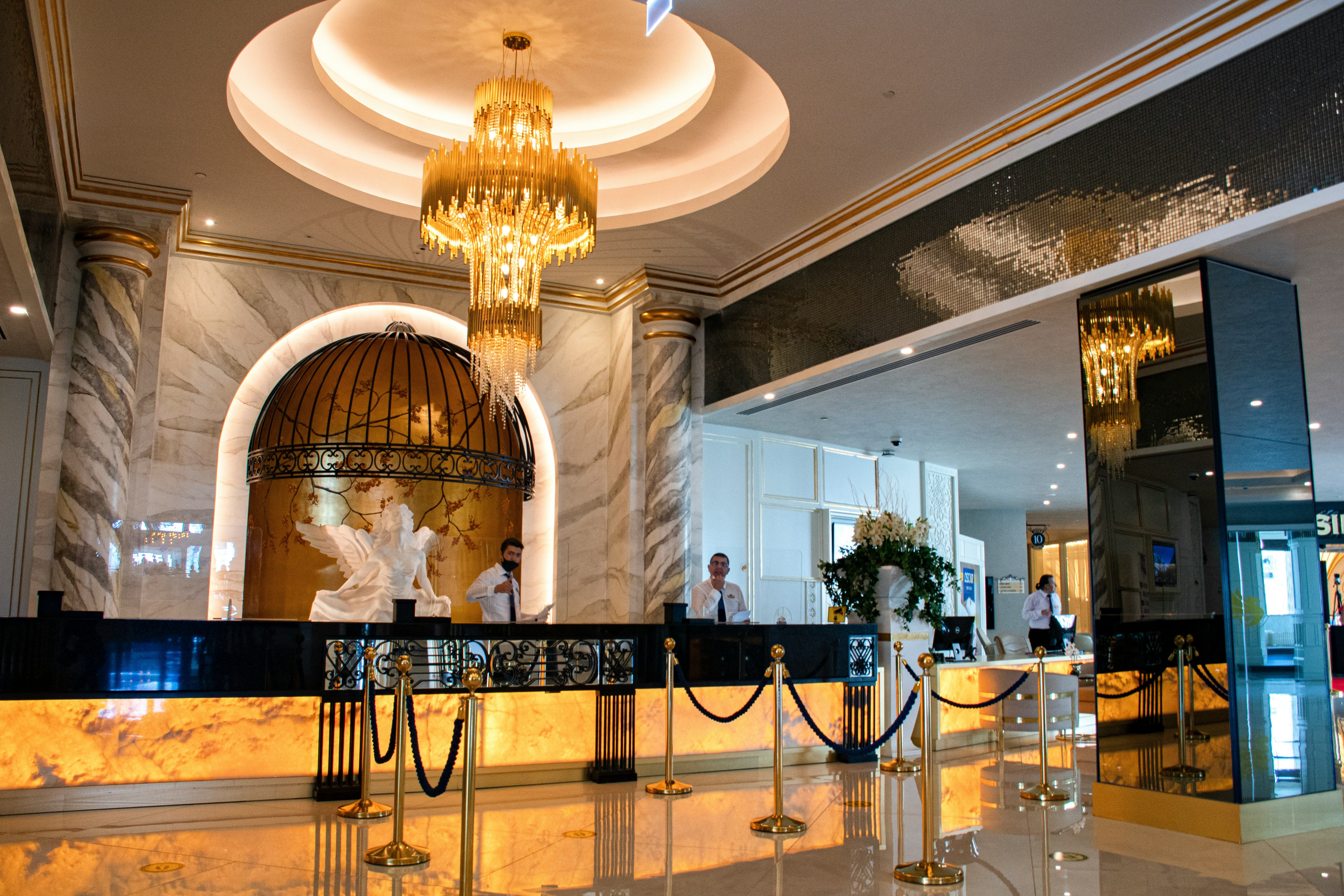
Truckee lodging, dining, and recreation properties need dependable systems shaped by seasonal occupancy, mountain access, guest comfort, food service, and limited outages.

Read Truckee industry brief
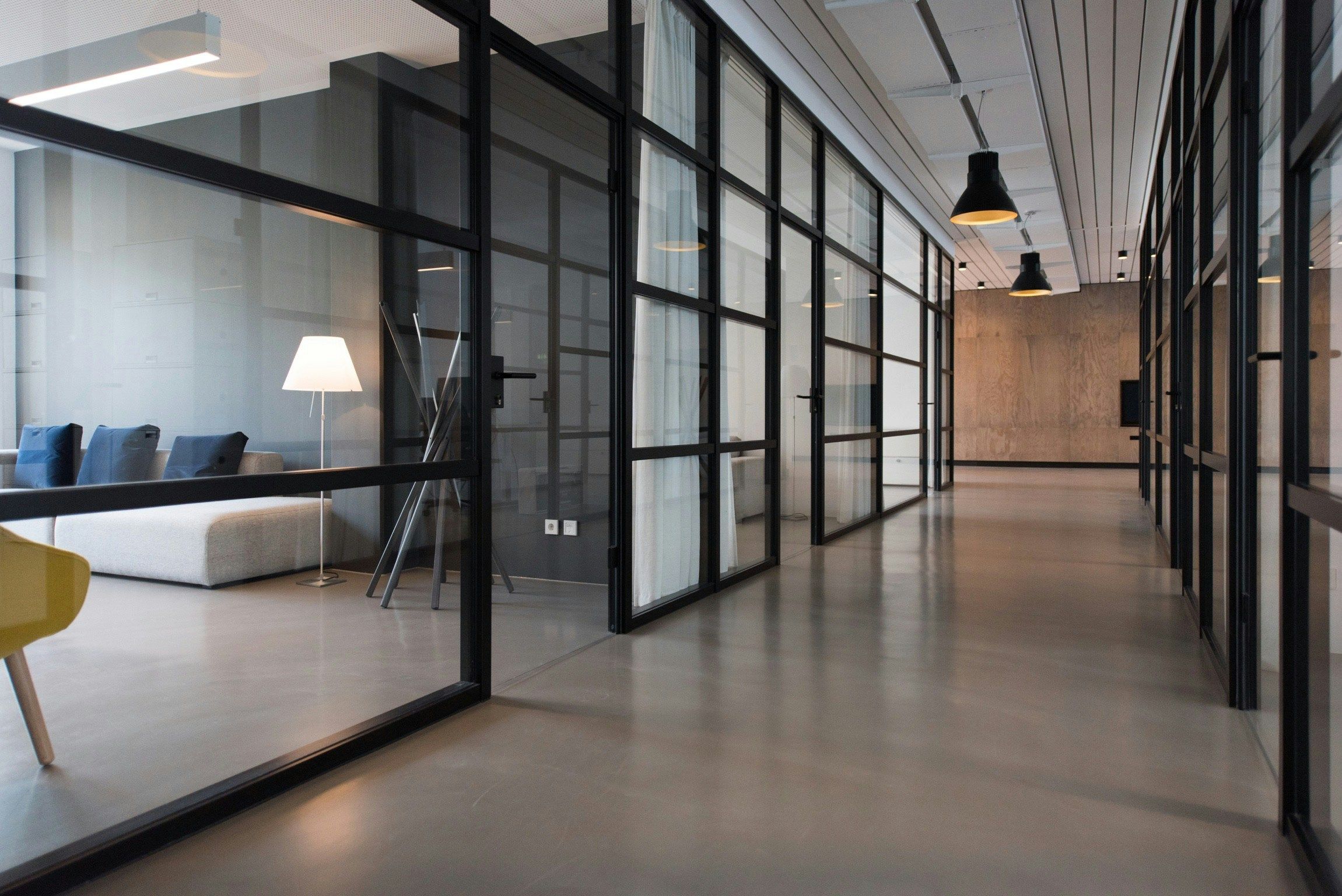
Downtown & Riverfront

Truckee's historic Downtown buildings, Railyard projects, and planned West River development receive mechanical planning suited to their distinct access and operating conditions.

Read Truckee industry brief

Gateway Retail & Offices

Along Donner Pass Road, Gateway businesses need mechanical upgrades sequenced around mixed tenants, visitor demand, site access, reinvestment, and active operations.

Read Truckee industry brief
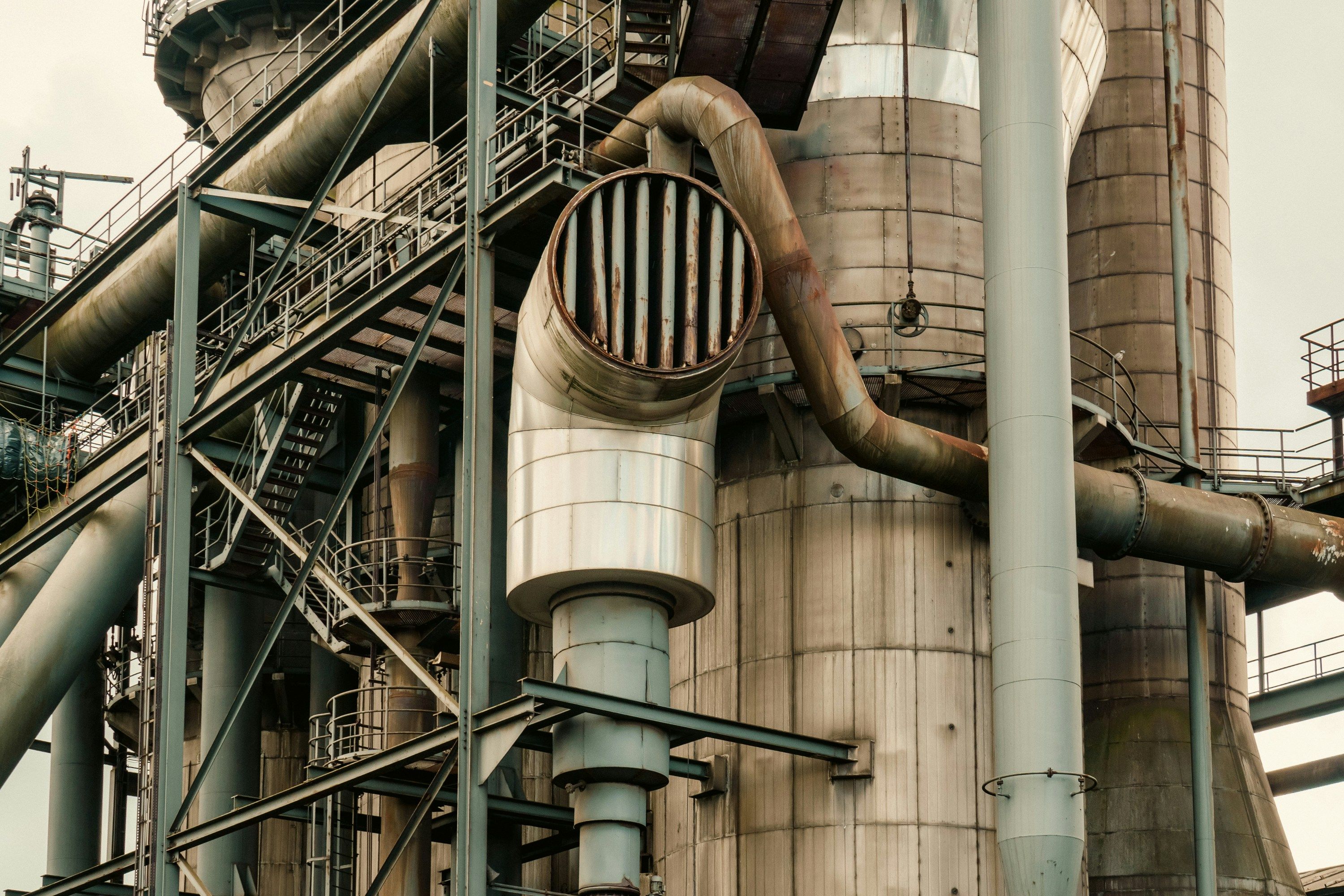
Industrial & Service Facilities

Truckee's Business Innovation properties and sites near the west Interstate 80 interchange need custom mechanical planning for mixed zones with site-specific mountain access and logistics.

Read Truckee industry brief

Hover or focus to preview. Select a facility type to open its full Truckee industry brief.

Truckee industry brief

Mechanical Services for Truckee Hospitality, Food, and Recreation Properties

Truckee is a major regional visitor destination as well as a North Tahoe business hub, and tourism has historically anchored part of its economy. Lodging, dining, retail, and recreation-support properties can operate on long schedules and move between changing occupancy levels. PMC coordinates HVAC, plumbing, refrigeration, controls, and construction planning around the specific operation rather than applying a generic hospitality package.

Guest comfort and varied building zones

Lodging and recreation-support buildings can combine guest or public areas, offices, storage, equipment rooms, and service spaces with separate schedules. PMC reviews accessible HVAC equipment, air distribution, zone controls, utilities, condensate, service clearance, and operating restrictions before replacement or renovation. Quiet operation and maintenance access can be important in occupied properties.

Controls may provide approved schedules, setpoints, alarms, trends, and equipment status when the installed platform supports them. Existing protocols, proprietary access, network responsibilities, and factory-control boundaries are identified before integration or equipment cutover.

Food service, hot water, and refrigeration

Restaurants can combine dining comfort, kitchen heat, approved ventilation interfaces, hot water, fixtures, drainage, equipment connections, and cold storage. PMC reviews how these systems share mechanical rooms, roofs, ceilings, utilities, and service areas. Vendor data and approved project documents define the actual connections and performance criteria.

Refrigeration work is coordinated with the operator’s product plan, acceptable outage, alarm expectations, and restocking decisions. PMC plans contracted removal, delivery, piping, drainage, controls, startup, pull-down observation, inspections, and handoff. Existing boxes, lines, controls, or electrical components that remain are distinguished from the new work.

Construction in an active visitor property

Mechanical projects can require deliveries, lifting, public-route protection, ceiling access, noise, and temporary HVAC or plumbing interruptions. PMC identifies affected areas, work hours, barriers, shutdowns, inspections, startup, and return-to-service milestones with the facility team. Phases can separate completed areas when the building systems and approved plan permit.

Truckee’s Downtown Plan supports year-round commerce and historic preservation, so operating continuity and established-building constraints may overlap. A useful request includes the Truckee address, facility uses, guest or service schedule, equipment and product information, available plans, site rules, and shutdown limits. Clear responsibilities keep operator decisions, design criteria, vendor tasks, and construction work appropriately separated.

Truckee industry brief

Mechanical Services for Historic Downtown and Riverfront Truckee Properties

The Downtown Truckee Plan promotes a year-round economy, historic preservation, mixed uses, and strategic infrastructure improvement. Historic Downtown’s established commercial buildings present different constraints from newer Railyard projects. Separately, the Town has selected development partners for planned commercial development at its West River site. PMC plans mechanical work around each property’s actual construction, access, and mix of local and visitor-serving operations.

Retrofitting an established Downtown building

Historic and older commercial spaces can have constrained ceilings, existing roof openings, concealed utilities, finished public areas, and limited removal or delivery routes. PMC documents accessible HVAC equipment, piping, drainage, controls, utilities, service clearance, and systems that will remain before developing a retrofit. Unknown concealed conditions are identified for investigation rather than assumed.

A tenant improvement may change partitions, occupancy, air distribution, control zones, fixture demand, hot water, and equipment loads together. Coordinating these effects across HVAC, plumbing, controls, and refrigeration gives the owner and design team a clearer basis for permits, budgeting, and construction.

Supporting active restaurants, shops, and offices

Downtown food service can require comfort HVAC, approved ventilation interfaces, water heating, plumbing, equipment connections, and refrigeration. Shops and offices may emphasize dependable zone operation and limited disruption. PMC plans customer and staff routes, deliveries, noisy activity, ceiling access, shutdowns, inspections, startup, testing, and restoration with the property team.

Before controls work affects neighboring tenants in a Downtown Truckee property, PMC verifies shared-system boundaries, installed protocols, and available vendor or landlord access.

New investment and constructability

New or redeveloped West River commercial work allows mechanical coordination earlier in the design, but equipment location, utilities, penetrations, supports, controls, and future service access still require disciplined decisions. PMC reviews vendor data and construction sequence with the owner, design professionals, general contractor, and adjacent trades.

For an established Downtown retrofit, concealed conditions and tight delivery routes often drive investigation and phasing. At a Railyard or planned West River project, early equipment-space and replacement-path decisions can prevent the same access problems from being built into the property.

Downtown customer routes and business hours drive retrofit sequencing, while newer sites offer more opportunity to reserve roof, yard, utility, and service space before a tenant opens.

Truckee industry brief

Mechanical Services for Truckee Gateway Retail and Professional Properties

Truckee’s Gateway planning area follows roughly two miles of Donner Pass Road and considers business reinvestment, mixed use, streetscape, and mobility improvements. Retail, dining, lodging, office, and service properties along this route support Truckee’s dual role as a regional business hub and visitor destination. PMC plans mechanical work around each property’s tenant mix, operating schedule, equipment, site access, and approved requirements.

Mechanical systems in a mixed commercial area

Retail and office tenants can have open customer areas, private workspaces, stock rooms, meeting rooms, and equipment spaces with different HVAC zones and schedules. Restaurants or food tenants add hot water, fixtures, drainage, approved ventilation interfaces, and refrigeration. PMC reviews how these systems share roofs, ceilings, utility routes, controls, and service areas before construction.

Tenant improvements are checked for changes to occupancy, partitions, air distribution, control points, plumbing demand, and equipment loads. Base-building connections are verified rather than assumed from existing stubs, curbs, or panels.

Operating access and field sequence

Gateway properties may have busy parking, deliveries, customer entrances, and rooftop or outdoor equipment. Replacement work can require lifting, staging, temporary route changes, ceiling access, and utility shutdowns. PMC identifies affected areas, barriers, work hours, inspections, equipment startup, controls checks, plumbing tests, and return-to-service milestones.

Shared equipment or controls networks require clear tenant and owner boundaries. Refrigeration work is coordinated with the operator’s product plan. Applicable turnover information distinguishes new components from existing systems that remain.

Reinvestment, controls, and long-term operation

Truckee policy seeks a broader, resilient year-round economic mix. Building controls can support approved schedules, setpoints, alarms, trends, and equipment status across varied seasonal and daily use when compatible with the installed platform. Proprietary access and vendor responsibilities are identified before integration.

Reinvestment also benefits from serviceable equipment placement. PMC reviews removal paths, filters, coils, valves, panels, drains, sensors, and other maintenance points after adjacent work is considered. A useful request includes the Donner Pass Road address, tenant uses, hours, existing equipment, project plans, delivery conditions, and shutdown limits. That creates a Gateway-specific mechanical scope shaped by mountain weather, seasonal traffic, tenant schedules, and practical service access.

Clear boundaries also identify which systems belong to a tenant, which are controlled by the property, and which decisions require owner, designer, utility, or equipment-vendor input before field work.

Truckee industry brief

Mechanical Services for Truckee Industrial, Service-Commercial, and Airport-Area Facilities

Truckee policy recognizes industrial activity as a historic part of the economy and includes a Business Innovation district for flexible industrial and service-commercial uses, plus commercial zoning near the west Interstate 80 interchange. These facilities can combine shops, warehouses, storage, equipment areas, airport-area functions, and offices. PMC develops mechanical scope from verified operations and approved criteria rather than inferring a process from the district or location.

Ventilation, comfort, and utility systems

An office zone may need conventional comfort HVAC while a shop or equipment area requires ventilation, temperature control, plumbing, drainage, or utility piping defined by the operation. PMC reviews documented equipment loads, airflow criteria, connections, utilities, schedules, clearances, and service expectations with the owner and design team.

Custom mechanical planning can coordinate HVAC, ventilation, piping, controls, plumbing, or equipment cooling when standard packages do not fit. Structural, electrical, fire-protection, and equipment-vendor interfaces are identified before procurement. Performance and engineering responsibilities remain with the appropriate professionals.

Controls and staged operation

Warehouse, shop, office, and equipment zones may follow different schedules. Controls can coordinate specified enables, sensors, safeties, setpoints, alarms, and status points when supported by the platform. Existing protocols, proprietary access, licensing, and vendor roles are confirmed before integration.

For phased work, temporary operating conditions and cutover criteria identify which systems remain available. Point checks, equipment startup, vendor participation, functional observations, and turnover information are assigned before the final stage.

Regional logistics and maintainability

Truckee’s role as a North Tahoe business hub makes accurate delivery, vendor, and site-access information important. PMC plans lifting, staging, removal routes, shutdowns, supports, penetrations, inspections, and long-term access for filters, coils, valves, pumps, panels, drains, and sensors. Regional connections do not replace an address-specific logistics review.

A useful request includes the Truckee site, building and equipment use, schedule, performance objective, available documents, utilities, access restrictions, and why an ordinary solution is insufficient. This supports a constructible system proportionate to the facility without unsupported claims about industrial or airport operations.

PMC can then help compare routing, equipment arrangement, shutdown length, vendor and controls dependencies, construction sequence, and future maintenance access. Assumptions are documented so the owner and design professionals can distinguish verified site conditions from information still needed before approval or procurement.

Commercial Services in Truckee

Explore PMC’s Service Area

Truckee is highlighted below. Choose another city to explore its commercial mechanical services and local project details.

PMC Service Area We Service These Cities
Approx. drive time from Auburn

Swipe the route map sideways to follow each corridor

PMC service area centered on Truckee A map of PMC service locations along major Northern California freeways and highways. City marker colors represent approximate travel times from Auburn, with extended service reaching Truckee, Chico, Lodi, and South Lake Tahoe. SIERRA NEVADA SACRAMENTO VALLEY Sacramento River Lake Tahoe Chico: 105–120 min via CA-65 / CA-70 / CA-99 north Chico Oroville: 80–95 min via CA-65 / CA-70 north Oroville Marysville: 50–65 min via CA-65 / CA-70 north Marysville Yuba City: 50–65 min via CA-65 / CA-99 north Yuba City Woodland: 55–70 min via I-5 / CA-113 Woodland Lincoln: 25–35 min via CA-193 / CA-65 Lincoln Nevada City: 35–45 min via CA-49 north Nevada City Grass Valley: 30–40 min via CA-49 north Grass Valley Truckee: 75–95 min via I-80 / Donner Pass Truckee Colfax: 20–25 min via I-80 east Colfax Auburn: Auburn home base via PMC home base P PMC • AUBURN Loomis: 15–20 min via I-80 west Loomis Rocklin: 20–30 min via I-80 west Rocklin Roseville: 25–35 min via I-80 west Roseville Citrus Heights: 35–45 min via I-80 west Citrus Heights Sacramento: 40–55 min via I-80 west Sacramento West Sacramento: 45–60 min via I-80 west West Sacramento Davis: 55–70 min via I-80 west Davis Rancho Cordova: 45–60 min via I-80 / US-50 Rancho Cordova Granite Bay: 25–35 min via Auburn–Folsom Road Granite Bay Folsom: 35–45 min via Auburn–Folsom Road Folsom El Dorado Hills: 40–50 min via Auburn–Folsom Road / US-50 El Dorado Hills Cameron Park: 50–60 min via US-50 east Cameron Park Placerville: 45–60 min via CA-49 south Placerville Elk Grove: 60–75 min via I-80 / CA-99 south Elk Grove South Lake Tahoe: 120–150 min via CA-49 / US-50 — weather dependent. Contact PMC to confirm scheduling. South Lake Tahoe Lodi: 70–90 min via I-80 / CA-99 south. Lodi
City details Truckee, CA 75–95 min I-80 / Donner Pass
Nearby
15–35 min
Regional
30–65 min
Extended
55–95 min
Scheduled
90+ min

Nearby Cities We Serve